Can the fashion industry be truly sustainable if it continues to rely on the exploitation of workers? This was one of the key questions raised at the landmark 20th edition of the Balkan Trafik! festival in Brussels, where Novi sindikat brought workers’ perspectives to the discussion on the future of the fashion industry.
From 19 to 21 November 2026, Balkan Trafik!, a cultural and music festival that has been promoting the richness and diversity of Balkan culture in the heart of Europe for two decades, took place in the historic former stock exchange building in central Brussels.
As a form of cultural diplomacy, the festival brings together artists, activists, civil society organisations and the wider public, with a particular emphasis on human rights, minority rights, solidarity and openness to diversity.
This year, fashion took centre stage in the festival programme, not only as a form of artistic expression but also as an industry that raises numerous social, economic and environmental questions.
Balkan fashion between tradition and sustainability
For the first time, the festival hosted a fashion show dedicated to Balkan fashion, bringing together traditional textile heritage, contemporary design and principles of sustainability.
The show was conceived and coordinated by Tena Lavrenčić, a fashion activist who promotes sustainability and social responsibility in the fashion industry through her Thinking Threads initiative.
Handcrafting, the use of natural materials, and the repair, repurposing and reuse of clothing have been part of everyday life in our region for centuries. Today, these very practices offer an alternative to the dominant model of fast fashion, mass production and excessive consumption.
However, sustainability in the fashion industry cannot be reduced to the choice of materials and production methods alone. Equally important are the conditions under which people make our clothes and whether they can earn a decent living from their work.
Novi sindikat: Workers’ rights must be at the heart of the fashion debate
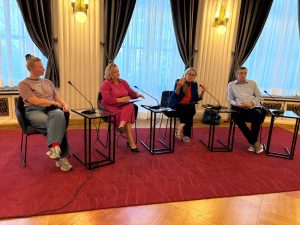
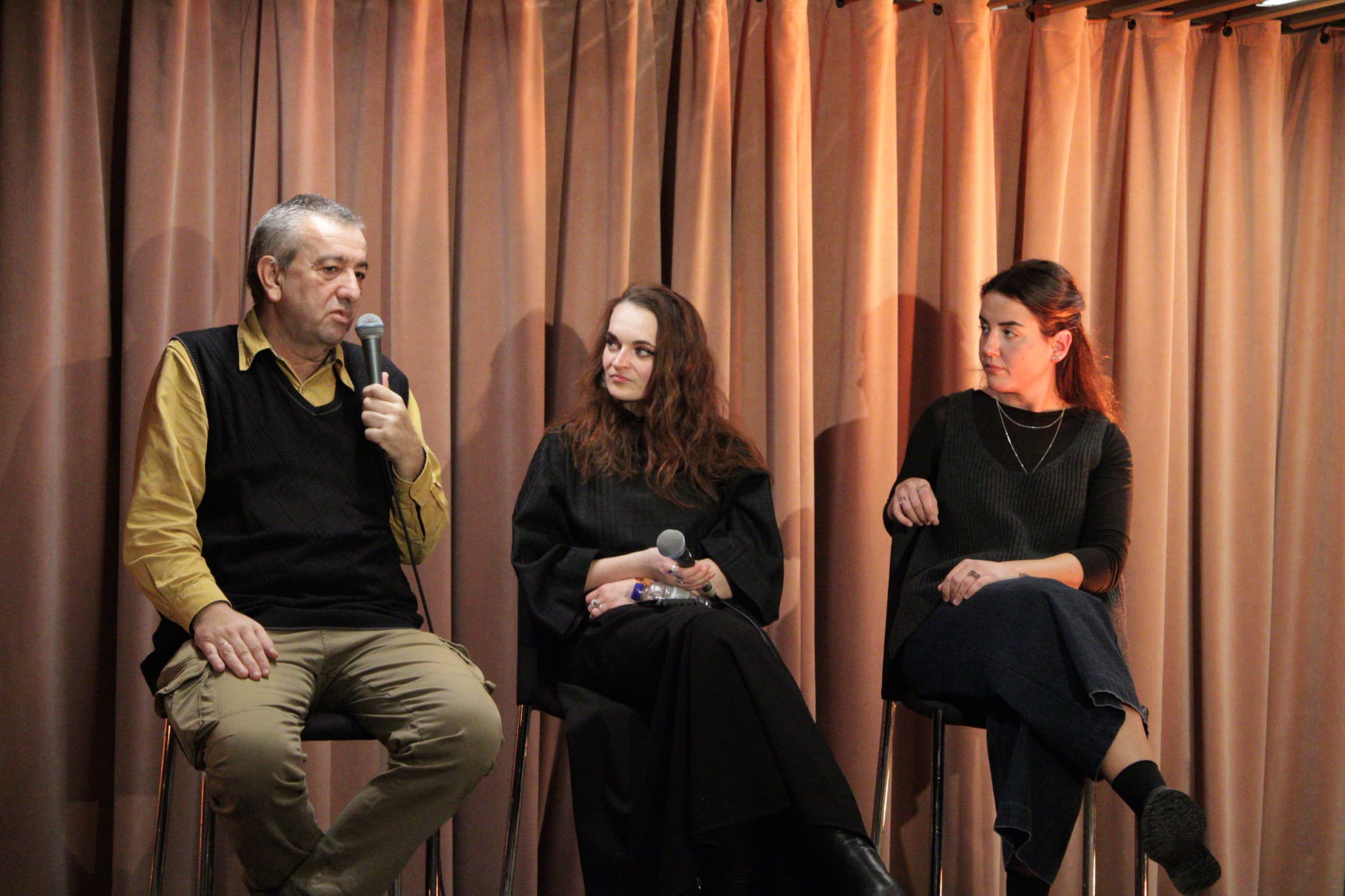
As part of the Balkan Agora programme, a panel discussion explored the fashion industry’s business model as a whole, with a particular focus on workers’ rights, sustainability and the future of the sector.
Mario Iveković, President of Novi sindikat, presented the work of the union and the international Clean Clothes Campaign (CCC) network, drawing on experiences in the struggle for workers’ rights in the textile industry. He highlighted the cases of the Orljava factory in Požega, which produced clothing for the German brand Olymp, and the Leonardo factory in Daruvar, a subcontractor for the Italian fashion brand Benetton.
Joining him on the panel was Sara Ković, founder and executive director of the Belgian initiative Okret, which helps fashion companies transition to circular business models. The discussion was moderated by Tena Lavrenčić, founder of the Thinking Threads initiative.
The cases of Orljava and Benetton highlight the importance of trade union organising, international workers’ solidarity and the responsibility of fashion companies for working conditions throughout their supply chains.
While public discussions about fashion tend to focus on trends, creativity and consumption, the experiences of the workers who make our clothes often remain invisible. Job insecurity, low wages and pressure on workers are integral features of the business model underpinning much of the global fashion industry.
This is why discussions about the future of fashion must include the people whose work sustains the industry.
There can be no sustainable fashion without decent work
Novi sindikat’s participation in the Balkan Trafik! festival provided an opportunity to connect trade union efforts with other initiatives advocating for a fairer and more sustainable fashion industry, while also bringing workers’ rights into discussions beyond traditional trade union settings.
The struggle for a fairer fashion industry requires changes in the way clothing is designed, produced, sold and consumed, but above all, in the way we value the work of the people who make it.
Fair wages, safe working conditions, the right to organise in trade unions and corporate accountability must not be treated as secondary concerns in discussions about sustainability.
Truly sustainable fashion is impossible without respect for workers’ rights. Behind every garment is someone’s labour – labour that must be respected, protected and fairly paid.
Photo: Maria Apostolidou, Instagram: @mar_apost